
Permanent Impairment
18 February 2025·11 min read
What Is Whole Person Impairment (WPI)?
Understanding whole person impairment
Whole Person Impairment, commonly shortened to WPI, is a standardised way of describing the lasting effect of an injury or illness on a person's overall function. It is used across many Australian compensation schemes when a condition has stabilised and decision-makers need an objective measure of permanent impairment. Unlike a short-term medical certificate that focuses on current symptoms or capacity for a few days of work, a WPI rating looks at the enduring impact once maximum medical improvement has been reached.
The percentage that appears in a permanent impairment report is not a measure of pain alone, nor is it a score of how deserving a claim may feel. It is the product of clinical assessment against approved guides for the relevant scheme. Those guides set out how different body systems and psychiatric impairments are assessed, how multiple impairments may be combined, and what thresholds apply before lump-sum benefits become available.
When is a WPI assessment appropriate?
A permanent impairment assessment is usually arranged after the injury or illness has stabilised. If further surgery is planned, or if the condition is still changing rapidly, an assessor may conclude that it is too early to finalise a rating. Referrers therefore need a clear clinical picture: treating reports, imaging, operative notes where relevant, and a chronology that shows how the condition has evolved.
Timing matters because an early assessment can understate or overstate impairment if healing is incomplete. Waiting too long can delay entitlement decisions. Coordination teams help match the request to an assessor with the right specialty and scheme accreditation, then schedule the appointment once the records are sufficiently complete.
- WPI is assessed after maximum medical improvement, not during acute treatment
- Assessors follow the guides that apply to the specific state or scheme
- The percentage reflects lasting impairment, not temporary flare-ups alone
- Complete clinical records and imaging support a reliable rating
- Some schemes require assessors to hold particular accreditation or training
How the assessment is carried out
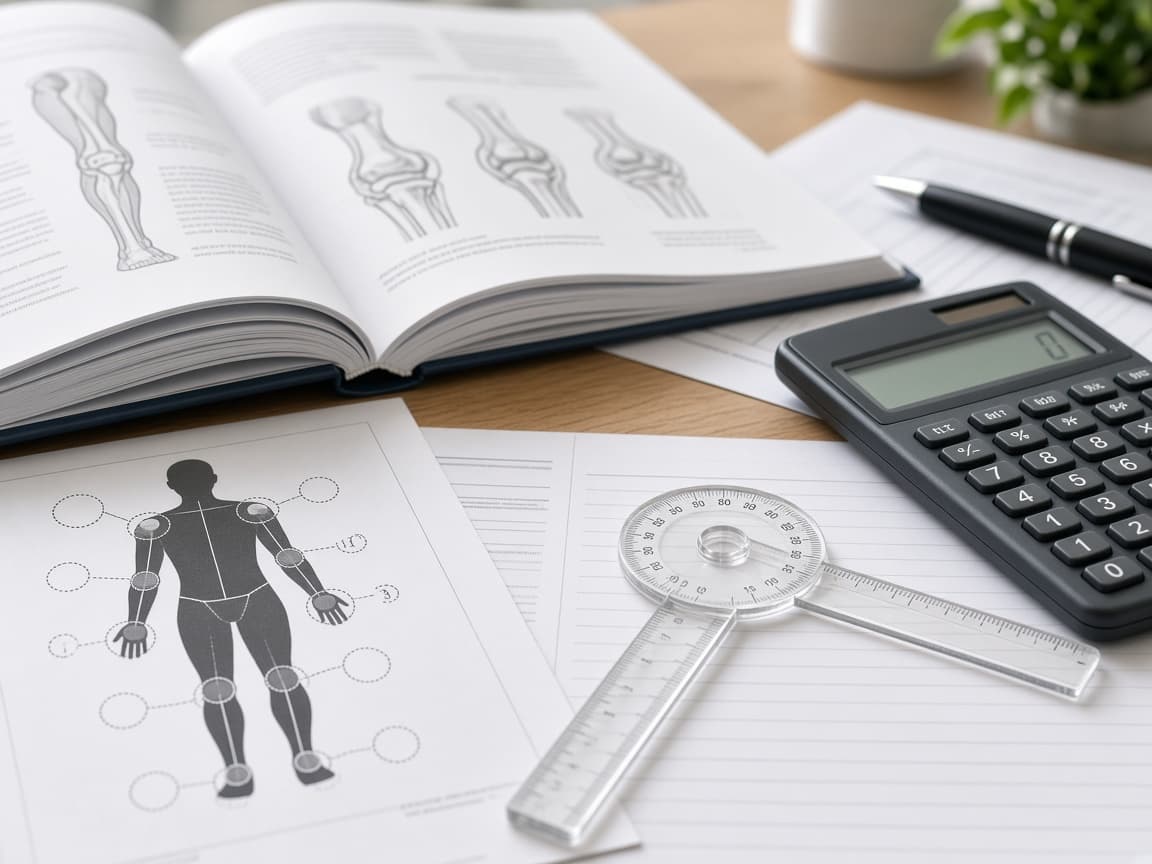
During a permanent impairment assessment, the specialist reviews the history, examines the relevant body systems and applies the criteria in the applicable guide. Measurement tools such as range-of-motion assessments, sensory testing or standardised psychiatric instruments may be used depending on the injury type. The assessor then explains the findings in a report that sets out the method, the calculations and the final whole person impairment percentage.
For psychiatric impairment, the process focuses on functional domains rather than a physical examination alone. For physical injuries, consistency between reported symptoms, clinical signs and imaging is carefully considered. The report is written for use in the claim process and, where required, in legal proceedings, so clarity and neutrality are essential.
Why the percentage matters
In many schemes, entitlement to lump-sum permanent impairment compensation depends on whether the assessed WPI reaches a threshold. Crossing that threshold can unlock benefits; falling short can mean no lump sum is payable for that impairment, even if the person continues to experience symptoms. That is why accuracy, proper methodology and complete records are so important to workers, insurers and legal representatives alike.
A WPI rating may also inform discussions about future treatment, vocational options and the overall value of a claim. It should still be read alongside other evidence, including treating opinions and functional capacity information where relevant. Evaluate Medicolegal arranges permanent impairment assessments with specialists experienced in the applicable guides and supports referrers with clear instructions and timely report delivery.
Practical next steps for referrers
If you are instructing a permanent impairment assessment, state the scheme, the body systems to be assessed and any threshold questions in your letter of instruction. Attach the key records and note any prior impairment assessments. If you are unsure whether the condition has stabilised, ask the treating practitioner for an opinion before booking.
For workers attending an assessment, bring identification, a medication list and copies of recent reports if you have them. Wear clothing that allows examination of the injured area. Answer questions honestly and describe both good and bad days so the assessor has a balanced picture of function.
Related links: Permanent Impairment Assessments · Refer a matter · View all services