
Telehealth
28 January 2025·9 min read
What to Expect at a Telehealth Assessment
Telehealth in medicolegal practice
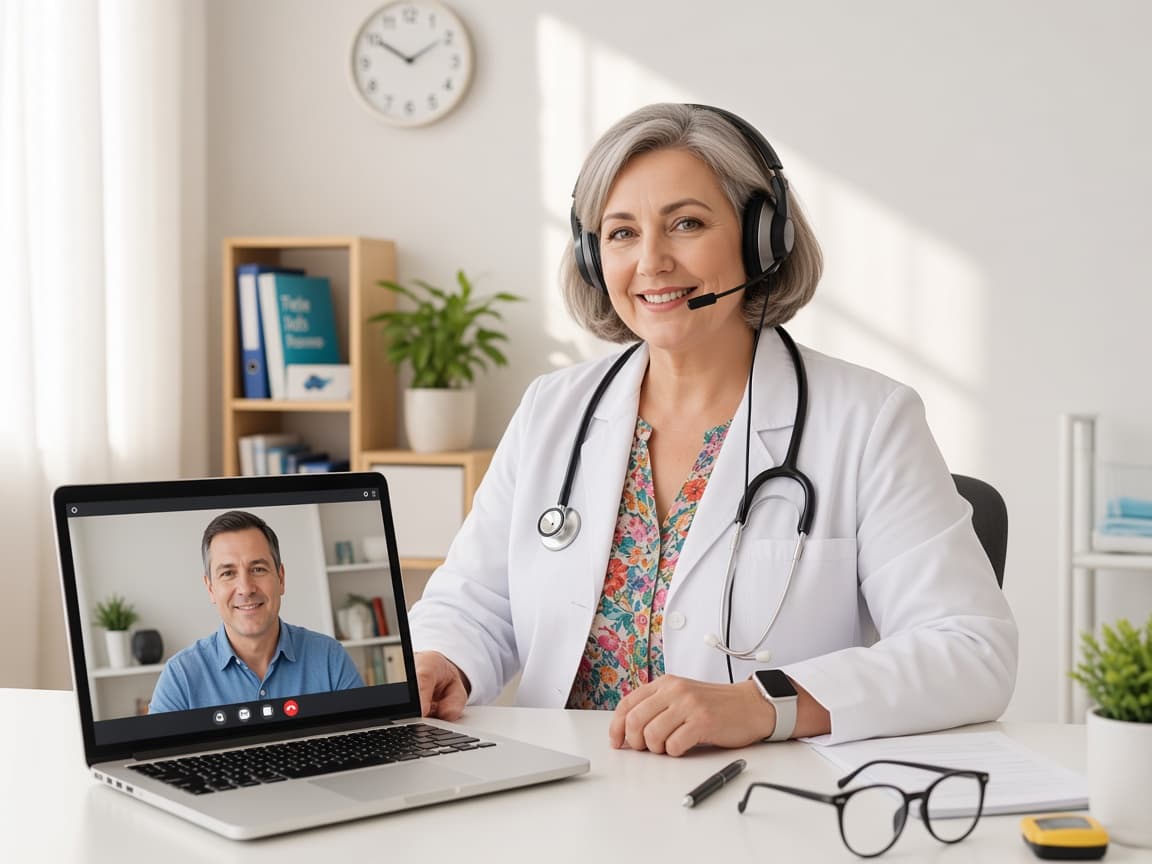
Secure video assessments have become a practical option for many medicolegal opinions across Australia. Telehealth can reduce travel for examinees in regional areas, limit time off work and allow specialists to see people who cannot easily attend a clinic. It is not suitable for every clinical question, but when used appropriately it can deliver a thorough, independent assessment.
Evaluate Medicolegal uses telehealth where the specialty, the questions and the clinical requirements allow it. Identity verification, privacy and a stable connection remain essential. The goal is the same as an in-person appointment: a clear, objective opinion for the referrer.
How to prepare your space and technology
Choose a private, well-lit room where you will not be interrupted. Test your camera, microphone and internet connection beforehand. Join from a laptop or tablet if possible, and keep your phone available only as a backup. Headphones can improve audio quality and privacy.
Have your medication list, recent reports and a glass of water nearby. Dress as you would for a clinic visit. If the assessment may involve observing movement, wear clothing that allows you to demonstrate those movements safely on camera.
- You will receive joining instructions and identity checks before the appointment
- Use a private space with reliable internet and adequate lighting
- Keep medication lists and recent reports within reach
- Tell the booking team if you need an interpreter or technical support
- Some physical examinations still require an in-person attendance
What happens during the appointment
The specialist will confirm your identity, explain the purpose of the assessment and take a detailed history. Depending on the specialty, you may be asked to demonstrate movements, describe pain patterns or complete structured interview questions. The doctor may also review documents already supplied by the referrer.
Telehealth assessments are still independent examinations. The specialist will not usually become your treating doctor or prescribe ongoing care. After the appointment, a report is prepared for the referring party in the ordinary way, including quality review where applicable.
When in-person assessment is still needed
Hands-on examination of joints, scars, neurological signs or complex musculoskeletal findings often cannot be completed fully by video. If the letter of instruction requires those findings, an in-person appointment will be recommended. Sometimes a telehealth interview is paired with later in-person testing, depending on the matter.
If you are unsure whether telehealth is suitable, ask the coordination team when the referral is made. Matching the format to the clinical questions at the start avoids cancelled appointments and incomplete reports.
Privacy, support people and common technical issues
Telehealth assessments must remain confidential. Avoid joining from a shared office, parked car with passengers, or public space where others can overhear clinical details. If a support person needs to be present, tell the booking team beforehand so the specialist knows who is in the room and why. Children, colleagues or unexpected visitors in the background can interrupt the assessment and raise privacy concerns.
Technical problems are usually manageable if you plan a few minutes of buffer time. Restart your device before the appointment, close unused applications, and keep the booking team's phone number nearby. If the video fails, the specialist or coordinator may switch to a backup link or rearrange promptly rather than forcing an incomplete assessment. Do not record the session unless you have been told that recording is permitted; unauthorised recording can create legal and privacy issues for everyone involved.
After the appointment, the report pathway is the same as for in-person work. The specialist prepares the opinion for the referrer, and quality review may be applied before release. If you felt the connection quality affected your ability to explain symptoms, mention that during the appointment so it can be noted. Clear communication during the session helps the expert decide whether the telehealth format was adequate or whether an in-person review should be recommended.
- Join from a private room and confirm who else is present
- Keep the coordinator's contact number available for connection problems
- Do not record the assessment unless expressly authorised
- Allow extra time before and after the scheduled start
- Raise connection or privacy concerns during the appointment if they arise
Related links: Telehealth Assessments · Book Appointment · FAQs